Food Systems Research · Project Management · Monitoring and Evaluation (M&E)
Connecting evidence to action in food systems.
I work across research, data, and program coordination, with experience spanning the UN system, academic fieldwork, and community-based agriculture initiatives.
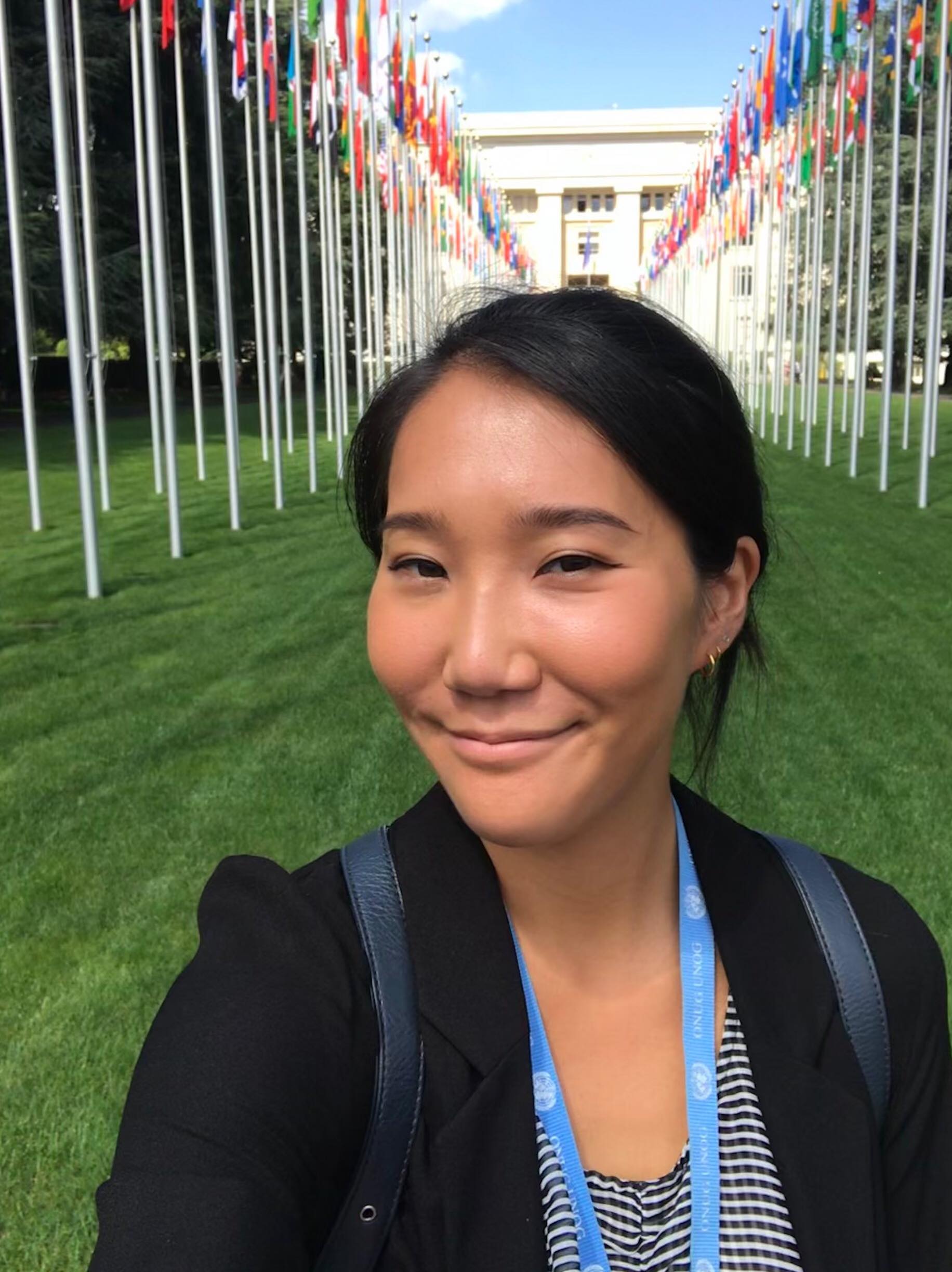
I'm Anudari, a New York-based food systems researcher. I'm interested in how agriculture, nutrition, and food access function in practice, and how we can use evidence to make those systems stronger. That curiosity has taken me from smallholder farms in Indonesia to an aquaponics greenhouse in the Netherlands and community gardens in Mongolia.
While I've always been passionate about food systems, I spent my early career in the UN system working on climate and environmental sustainability. That wasn't a detour; it was where I built my foundation in monitoring and evaluation, and learned how to coordinate across complex, multi-stakeholder programmes. But I eventually returned to my roots by pursuing a second master's in Global Food Security and Nutrition, which was a deliberate move to bring food and agriculture back to the center of my professional life.
I hold degrees from the University of Edinburgh, Utrecht University, and McGill, and have worked across agencies like FAO, UNOSAT, and UNEP. This background allows me to bring a global perspective to my work, while my upbringing as a Mongolian-American ensures my approach remains grounded in real-world impact. My master's thesis on food insecurity in Ulaanbaatar reinforced this; it taught me that research is only as effective as its connection to lived experience. Today, I strive for that same balance in my work: pairing rigorous analysis with a deep understanding of local context.
My work in this area has combined desk-based research and programme support with hands-on exposure to food production. Through my time with the FAO, I've contributed to projects focused on agricultural productivity, soil health, and food security, reporting on how these interventions affect livelihoods and food access. My fieldwork has shaped my belief that urban agriculture and community-based growing aren't just technical solutions; they are systems that thrive only when they respect local context and participation.
I've coordinated work across multi-country projects in the UN system, collaborating with government partners, donors, and technical teams. I'm comfortable working in environments where things evolve quickly, and where progress depends on staying organized, communicating clearly, and keeping people aligned around shared priorities.
Much of my work has focused on understanding what's working, and why. I've developed M&E frameworks, designed indicators, managed data collection, and synthesised findings into reports for donors and decision-makers.
I've worked with both quantitative and qualitative data, from survey analysis to field-based interviews, which allows me to connect results to what's actually happening on the ground.
Across my career, I've facilitated trainings, designed workshops, and worked directly with communities, from teaching English to Hmong children in Laos to leading results-based management trainings for government officials and partner staff.
A consistent part of this work has been translating complex or technical topics into something more accessible and practical.
Completed part-time while working full-time, a move to build deeper expertise in food security and nutrition. Thesis focused on food insecurity and migration in Ulaanbaatar; see Field Research section for full detail.
The foundation for my research methodology and entry into field-based work. Included three months of field research in Bali studying climate resilience among smallholder farmers, and a research semester exploring humanitarian aid provision in refugee camps in Greece and Turkey.
A broad grounding in development theory, global systems, and political economy.
My work with data has grown organically throughout my career, from designing surveys for farmer interviews in Indonesia, to building monitoring dashboards for multi-country UN projects, to conducting statistical analysis on household survey data for my master's thesis. I've always been drawn to what data can reveal about people's lives, especially when it's disaggregated to make disparities visible rather than hidden in averages.
More recently, I've started building technical skills in SQL and Python. I'm still early in that process, but I'm keen to apply those tools to real questions, using data to clarify problems, improve programs, and ground decisions in reality.